
You are planning a midrange kitchen remolding for your Chula Vista townhouse, and your calendar includes a move, school start dates, or a local event like a Padres game at PETCO Park. That matters. In Chula Vista, seasonal hiring, permit timelines at the city office on Third Avenue, and deliveries routed through San Diego County ports affect how fast a remodel proceeds. This post lays out realistic schedule ranges, three timeline options you can pick to match a move, plus the local factors that commonly speed things up or slow them down. If you want a timeline estimate for your address in Eastlake, Otay Ranch, or Downtown Chula Vista, start with a site visit from a Chula Vista specialist at ValueCrafters Remodeling: Chula Vista, CA. You will get a written schedule tied to permit milestones and material lead times.
Key takeaways
- A typical midrange kitchen remolding in Chula Vista takes 6 to 12 weeks from demo to finish.
- You can choose a phased, accelerated, or full-stop schedule to match your moving dates.
- Local permit queues, material lead times, and contractor availability are the biggest schedule drivers.
- ValueCrafters Remodeling provides planning to align remodel milestones with your move and family needs.
Quick timeline overview for a midrange kitchen remodel in Chula Vista
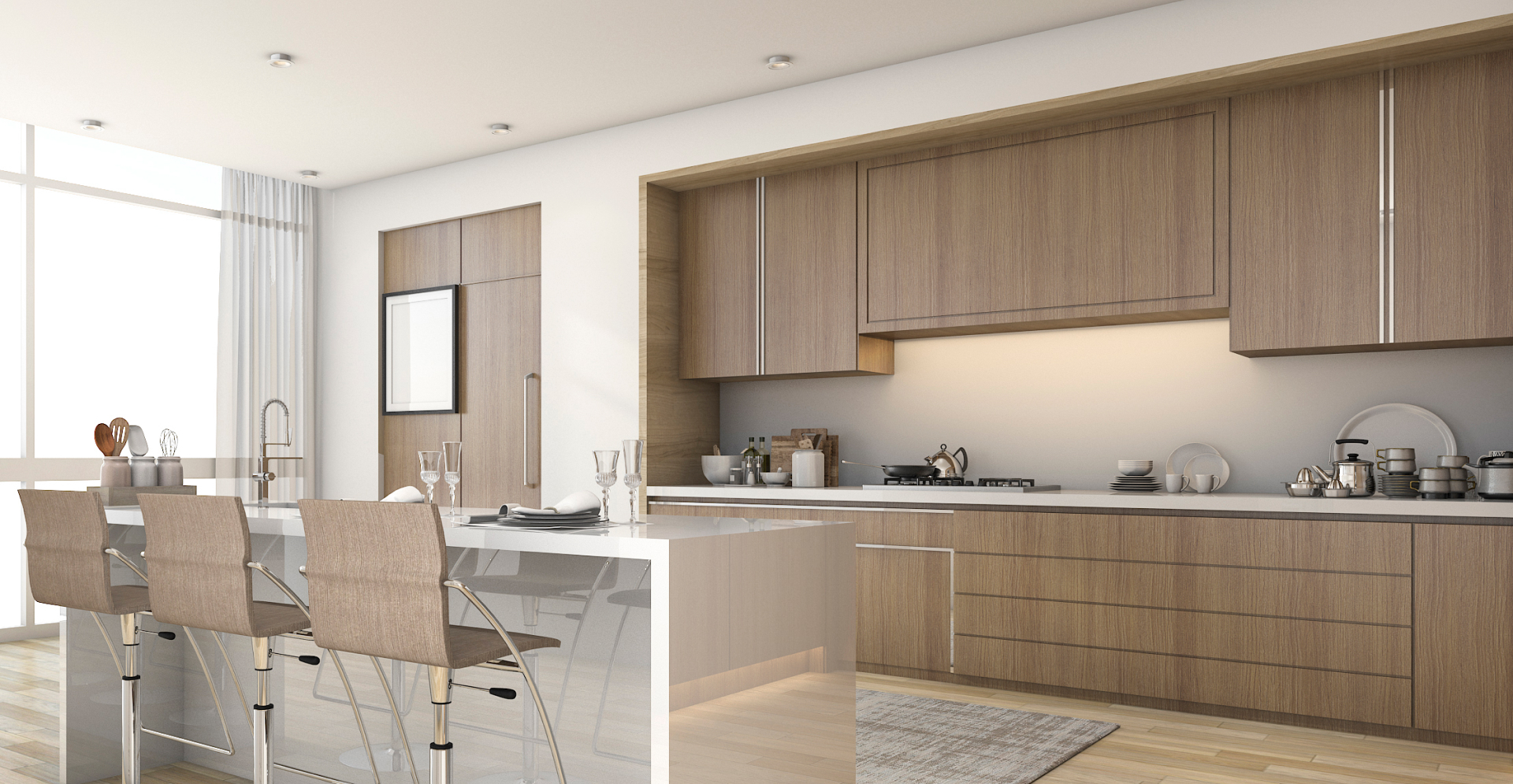
Use this as a planning framework. A midrange kitchen remolding means new cabinets with semi-custom options, mid-grade counter tops, updated plumbing and electrical to current code, new flooring, and modest layout changes that do not require structural framing. Typical total durations are:
- 6 to 12 weeks for a straightforward midrange remodel with no major layout changes and unobstructed permits and materials.
- 10 to 16 weeks for projects that change windows, move sinks within short distances, or need minor structural work.
- 12 to 20 weeks when permits, HOA approvals in neighborhoods like EastLake Village, or long lead items are involved.
These ranges assume professional project management by a licensed remodeling contractor and clear homeowner decisions at each milestone. For detailed scope descriptions and budget planning that match these timelines, see our Kitchen Renovation overview.
Three timeline options that match common moving plans
Choose an approach based on how fixed your move date is and how much disruption you will tolerate.
- Phased remodel, move first, finish later:
- Best if you must move by a fixed date, for example a lease start or school semester.
- Work concentrates on essential safety and habitability items before you move, such as ensuring plumbing and wiring are code-compliant. Nonessential demo or cabinet installation can be scheduled after you settle.
- Typical duration while you live elsewhere: 2 to 4 weeks of pre-move work, then 6 to 10 weeks post-move completion.
- Accelerated full remodel, compress schedule:
- For homeowners who want the kitchen finished before moving in.
- Requires priority scheduling, overtime, and pre-ordered materials. You will pay higher labor premium and expedited shipping fees.
- Typical duration: 4 to 8 weeks, depending on scope. Not every permit office can support fast-tracked inspections.
- Traditional full remodel, move after completion:
- Standard approach when move date is flexible. Work proceeds in logical sequence: demo, rough trades, inspections, finishes.
- Typical duration: 8 to 16 weeks.
Each option includes coordination with other projects you may have, such as a bathroom remodeling or a home addition. If you need a schedule that coordinates with a closing date or closing contingencies in Chula Vista, call us at (858) 665-2355 and we will draft a milestone plan linked to the sale date.
Typical tasks and realistic time estimates for each phase
Breaking tasks into phases makes your timeline predictable and gives you control points to move the schedule faster or slower. Typical midrange project phases:
- Pre-construction planning and permits: 1 to 3 weeks to finalize plans, 2 to 6 weeks for city permits depending on submittal completeness and seasonal load.
- Demolition and rough-in: 3 to 7 days for demo in a townhouse, 1 to 2 weeks for rough plumbing and electrical.
- Inspections: 1 to 2 weeks, often scheduled with the city inspector. Some inspections happen same-day, some require a wait.
- Cabinet delivery and installation: 1 to 2 weeks for installation, but cabinets can have 4 to 8 week lead times from order.
- Counter tops: 1 to 3 weeks, including templating and fabrication.
- Flooring and finishes: 1 to 2 weeks depending on floor prep needs.
- Final trims, hardware, and cleanup: 3 to 7 days.
Key levers you control: timely decisions on finishes, staging a living-kitchen alternative if you remain in the house, and selecting stocked materials when you need speed. We tailor this sequence to fit your Chula Vista townhouse layout and HOA requirements.
Local factors in Chula Vista that affect schedule and cost
Chula Vista has specific considerations that change how long a kitchen remolding will take:
- Permit and inspection cadence: Chula Vista building permits are processed through the Development Services Center. Busy seasons, typically spring and early fall, add wait time.
- HOA approvals: Many townhome communities in Rancho Del Rey and Otay Ranch require architectural review, which can add 2 to 6 weeks.
- Delivery logistics: Material deliveries often route through San Diego County distribution centers and can be delayed by port congestion, especially for appliances and custom cabinetry.
- Weather and climate: San Diego County weather is forgiving, but heavy rains in winter can slow exterior work, window deliveries, and vendor schedules.
- Neighborhood access and parking: Work in Downtown Chula Vista or near the Bayfront may require permits for staging and impact scheduling for subcontractors.
- Local subcontractor availability: Skilled trades in San Diego are in demand. Booking trades in advance reduces schedule risk.
We plan around these constraints and book inspections proactively, which is part of our standard project management with every remodeling contract.
How to align a remodel schedule with your move: checklist and tips
Use this checklist to sync the construction timeline with your move without surprises.
- Lock in critical decisions early: cabinet style, counters, paint color, and appliances. Delays here push delivery windows.
- Choose stocked or quick-ship options if your move date is fixed.
- Reserve inspection slots within the permit application to avoid multi-week waits between rough and final inspections.
- Plan a temporary kitchen setup if you will be on site. Consider a small fridge and microwave for 2 to 3 weeks.
- Coordinate utility turn-on with your move-in day to avoid living in a house without power or water.
- If you are selling, use a staged timeline in the sales contract that accounts for inspection contingencies related to remodeling.
- Communicate move dates and homeowner availability with your contractor, so subcontractors can be scheduled around deliveries and city inspection windows.
For timeline-based comparisons of design choices and trends, consult our Kitchen Remodeling guide and our article on Top 5 Kitchen Remodeling Trends for 2024 to avoid finishes with long lead times.
Cost versus speed trade-offs and realistic expectations
Faster schedules usually increase cost. Expect to pay premiums for:
- Expedited material orders and rush shipping.
- Overtime labor rates for nights or weekends.
- Priority inspection requests or third-party inspections when the city schedule is full.
A midrange kitchen remolding balances quality and budget. You can speed the project by choosing semi-custom cabinets that are in stock, standard counter materials, and local tile that does not require long import lead times. If budget is tight, staggering work so you move in while some items are finished later can reduce immediate cash outflow while keeping your move on schedule.
Why work with a local remodeler and next steps
A local remodeling contractor understands Chula Vista permit rhythm, vendor routes from San Diego, and HOA procedures in communities like Otay Ranch and Eastlake. ValueCrafters Remodeling coordinates trades, schedules inspections, and sequences work to fit your moving timeline. Our process includes a written schedule tied to permits and materials, weekly progress reports, and direct communication with you.
Call (858) 665-2355 to discuss your townhouse address and preferred move date. We will provide a site visit and a project timeline that lists key milestones, contingency buffers, and the actions you need to take to keep the project on schedule.
Frequently asked questions
What is a realistic budget for a kitchen remodel?
A realistic budget for a midrange kitchen remodel in Chula Vista usually ranges from $30,000 to $75,000 depending on size, cabinets, appliances, and whether you move exterior utilities or change layout. ValueCrafters Remodeling will provide a written estimate after a site visit and scope review. We factor in local permit fees, potential HOA costs, and typical San Diego area material and labor rates so your budget ties to a realistic schedule.
Is $10,000 enough for a kitchen remodel?
$10,000 is generally only enough for cosmetic updates: repainting, new hardware, a few cabinet doors, and budget appliances. For a true midrange kitchen remolding that includes new cabinets, counters, plumbing and electrical updates, and new flooring, $10,000 will not cover the full scope. If your budget is limited, ValueCrafters Remodeling can propose phased updates that prioritize safety and function now, with finish phases scheduled later.
What is the new look for kitchens in 2026?
In 2026 kitchens continue toward clean, functional design with durable finishes suited to family life in San Diego. Expect:
- Calm neutral palettes with warm wood tones to balance bright coastal light in Chula Vista.
- Multi-functional islands that serve dining and cook zones.
- Integrated appliances and smarter storage to reduce visible clutter.
- Durable, low-maintenance surfaces like quartz and porcelain that handle high traffic and outdoor-to-indoor living.
ValueCrafters Remodeling follows current trends and can show local installations and examples, including recent projects by our team that reflect these choices.
What is the most expensive part of redoing a kitchen?
The most expensive elements are usually cabinets and labor associated with cabinet installation, followed by appliances and countertops. If structural changes are needed, costs rise further due to framing, new headers, or moving plumbing and electrical. Lead times on custom cabinets can also affect schedule costs. We recommend semi-custom cabinets and preapproved finishes when you need a balance of cost, quality, and time.
Ready to get started? Contact ValueCrafters Remodeling today.
